
Jack Loughran | Tue 20 Oct 2026
https://eandt.theiet.org/2026/10/19/drones-and-robots-cut-farming-costs-remain-too-expensive-some
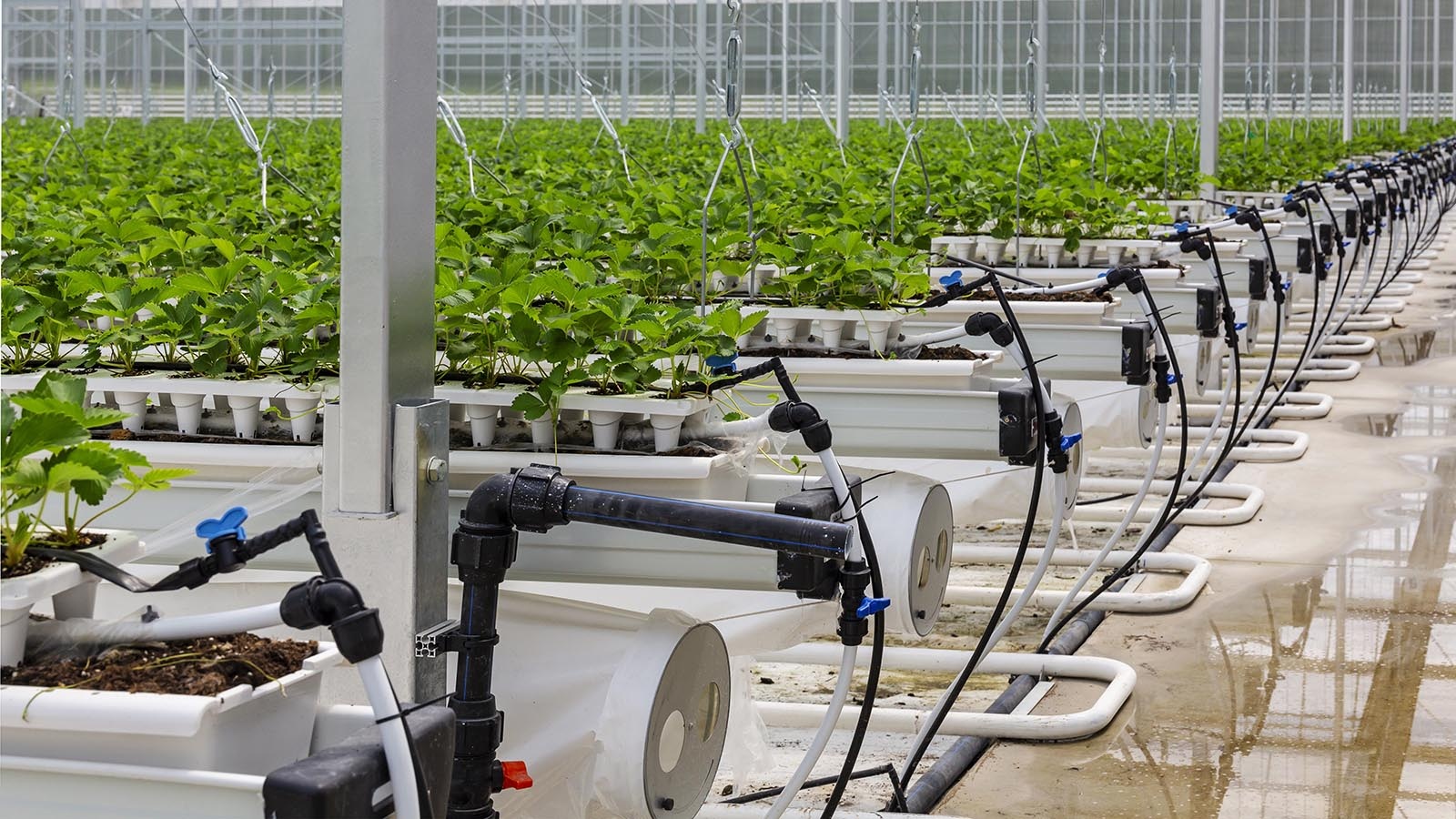
Technologies including robots, drones and AI tools are already cutting costs for 42% of the world’s cropland, despite the high initial capital investments.
Researchers from the University of Bonn said that this could increase to 50% in the next 20 years and to as much as 75% if every country tightened environmental regulations, but noted that high-tech agriculture was still difficult to make profitable in some parts of the world.
European and US farms are increasingly turning to advanced technologies to make their operations more efficient. Drones spot pest infestations and send their data to agricultural machinery, which then sprays pesticides in specific areas, robots remove weeds before they can cause trouble, and smart irrigation systems track soil moisture to water roots only where needed.
“These smart farming technologies have the potential to make crop farming more sustainable and environmentally friendly,” said Professor David Wuepper from the University of Bonn.
The study showed that high-tech agriculture often proves profitable in parts of the world struggling with environmental problems such as water stress and over-fertilisation. However, switching to smart-farming technologies may not make economic sense for every farm in the short term, due to the high initial cost.
There is also significant variation in local conditions, from labour costs and environmental regulations through to the availability of training.
The economic benefit was found to be greatest in areas where income and education levels are high, fields are big and environmental regulations are strict, such as Western Europe, Canada, the US and Australia. One reason is that these parts of the world often apply large quantities of fertiliser and pesticides.
“So money can be saved by only applying these products where you really need to,” said researcher Shahrear Roman. “And, because labour also costs more in these places, using machinery and robots makes good sense.”
- Airbus A350F cargo plane takes flight with promise of 40% fuel savings
- Plastic-reinforced asphalt releases fewer microplastic-like particles in tests
- Major cities sinking as groundwater supplies come under pressure, satellite data shows
The potential of smart farming was found to be particularly limited in sub-Saharan Africa, where the available technologies were deemed to be poorly suited to small-scale agriculture.
“We found that smart farming already pays off where environmental governance is strongest. It is by far the most important predictor in our models,” Roman said.
The study also maps where smart-farming could do the most environmental good, by showing where the technologies are profitable and where the problems they can address are most severe. For example, smart irrigation systems were found to be particularly suited to areas battling water shortages.